Why Bagan is a must for photographers
Bagan is a photographer’s dream. The temple plain holds thousands of stupas, pagodas, and temples spread across open fields. At sunrise, mist and light shape the landscape. Hot air balloons float above the temples in the cool season. The light is soft and warm. Bagan offers dramatic silhouettes, layered scenes, and quiet local life. Both beginners and pros find endless opportunities here.
This guide helps you pick the best photo spots in Bagan, plan balloon shots, choose lenses and settings, and build a simple itinerary. Read the camera tips and packing suggestions before you go.


What to shoot in Bagan ?
Bagan offers an extraordinary range of photo subjects for every kind of photographer. Its ancient temples and stupas make stunning architectural shots. You can frame soaring stupas, carved doorways, and layered temple roofs in wide panoramic views or tight detail images. For architectural photography in Bagan, use a wide-angle lens for grand temple scenes and a short telephoto to pull out textures, bricks and carvings.
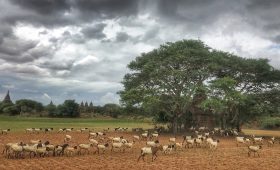
Beyond temples, Bagan’s village photography shows daily life at a gentle pace. Small villages around the temple plain offer farmers, children, homes on dusty lanes and simple markets. These moments are perfect for documentary and street-style photos that reveal local rhythm and character. Walk the lanes early in the morning to catch soft light and unposed human moments.
Portraits in Bagan are rich with color and story. Photograph monks, artisans, farmers and families for natural portrait photography that shows culture and expression. Use a 50mm or 85mm lens for flattering backgrounds and soft bokeh. Always ask permission, smile first, and offer a small printed photo or polite thanks. Portraits taken near temples, in markets, or inside village homes make powerful images for a Bagan photography portfolio.
Local craft workshops and studios add another layer of interest. Woodcarvers, gold-leaf artisans, potters and weavers work near Mandalay and around Bagan. These local workshop scenes let you capture hands, tools and textures. Shoot close-ups of the process, and take time to photograph environmental portraits that show makers at work.
The temple plain itself is an ideal subject for landscape photography. Golden fields, scattered stupas and distant hills give strong composition lines. Use a telephoto to compress multiple pagodas into layered silhouettes or a wide lens for dramatic panoramas. The Irrawaddy river and riverside vantage points also offer beautiful sunset reflections and calm water scenes.
Don’t miss indoor and interior shots inside select temples and monasteries. Dim interiors, faded murals and candlelight rituals create mood and depth. Bring a tripod and a fast prime lens for low-light work. Respect rules about flash and sacred objects and follow your guide’s instructions.
Finally, the light in Bagan is unforgettable. Sunrise and sunset photography turn the plains into gold and blue. Hot air balloons at sunrise create iconic hot air balloon Bagan photos that many photographers seek. Arrive early for sunrise viewpoints and plan golden-hour sessions for long, warm shadows. During holidays and festival season, photograph traditional ceremonies and temple festivals for vivid colors, processions, and ritual portraits. These cultural events add rare and memorable images to any Bagan collection.
Bagan photography rewards patience and curiosity. Combine architecture, village life, portraits, craft workshops, landscapes, interiors, and festival coverage to create a full, varied portfolio of the temple plain and its people.
Camera gear & lens guide
Essential kit for Bagan photography
Full-frame or crop-sensor camera (both work well).
Wide-angle lens (16–35mm or similar) for temple interiors and wide landscapes.
Standard zoom (24–70mm) for general use.
Telephoto zoom (70–200mm or 70–300mm) for balloon compression and distant details.
Fast prime (50mm or 85mm f/1.8) for low light and portraits.
Tripod for long exposures and night photography.
Circular polarizer to deepen skies and increase contrast.
ND filter if you want longer exposures at sunrise.
Extra batteries and cards — cold morning and long shooting days will eat power.
Practical tips & local rules
Arrive early. Sunrise moments change fast. Arrive 30–45 minutes before first light.
Respect sacred spaces. Remove shoes where required. Dress modestly for temple interiors.
Watch for closures. Some pagodas restrict climbing or photography. Ask your guide.
Plan balloon bookings early. Book well in advance for October–March. Balloons cancel for poor weather.
Protect gear from dust. Bagan can be dusty, especially during dry season. Use covers and clean frequently.
Local guides add value. Hire a local photographer or guide. They know secret mounds and quiet temples.


FAQs — quick answers
When is peak balloon season?
October through March offers the most reliable balloon flights and stable weather.
Can I climb the temples? Climbing up all monuments in Bagan is prohibited.
Is Bagan safe for solo photographers?
Yes, Bagan is safe. Still, standard travel precautions apply. Keep gear secure and be respectful.
Do you need a local guide?
A guide helps find quiet spots, advise on culture, and handle logistics. For balloon shoots and permits, guides are very useful.
Bagan gives you sunrise temples, timeless silhouettes and village life that will shape any photographer’s portfolio. But Myanmar offers many more scenes worth photographing. For a complete Myanmar photo tour, plan to add Yangon, Mandalay, and Inle Lake to your route.
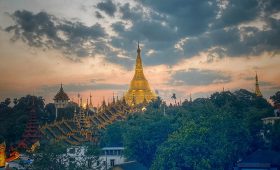
Yangon is perfect for street and city photography. Shoot the golden Shwedagon Pagoda at dawn, capture colonial architecture in downtown Yangon, and photograph lively markets and tea shops for candid human scenes. Yangon is a great place to warm up your camera and practice portrait and street techniques before heading into the countryside.
Mandalay brings craft workshops, monks, and historic sites. Photograph U Bein Bridge at sunrise, portrait local artisans making gold leaf or woodcarving, and explore monasteries for strong cultural images. Mandalay adds texture, ritual and portrait opportunities that complement the temple landscapes in Bagan.
Inle Lake offers a different mood: gentle water, floating gardens and the famous leg-rowing fishermen. Inle is ideal for reflections, slow boat portraits, and market scenes. The lake’s calm mornings and colorful markets balance the temple plains and busy city streets perfectly.
Combine these destinations into a multi-day itinerary to capture the full range of Myanmar photography: city life in Yangon, the temple grandeur of Bagan, the craft and ritual of Mandalay, and the water scenes of Inle Lake. A guided Myanmar photo tour helps you find the best light, secure local access, and arrange special shoots like portrait releases, balloon flights, and boat trips.
Ready to plan your Myanmar photo tour?