
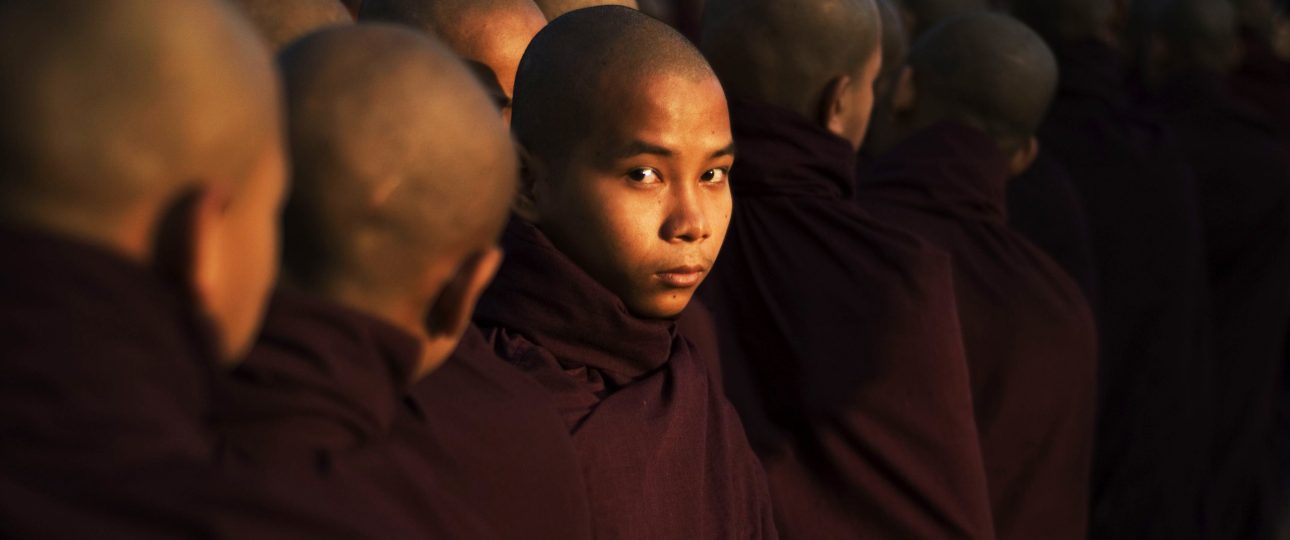
How to Photograph Monks & Religious Rituals Respectfully
Photograph monks Myanmar with care, respect, and a steady eye. Monastic life is part of daily culture and spiritual practice. Your images can show dignity and calm if you follow ethical rules and simple technique. This guide gives clear religious photography tips, camera settings, composition ideas, and the dos and don’ts that help you make strong photos without causing harm.
Start with respect and permission
The first rule is to always ask. Many monks welcome photos, but some moments are private. Introduce yourself, smile, and ask the monk or the temple elder for permission. Use a local guide to translate if needed. If a monk shakes his head or looks unsure, do not take the picture.
When you ask, explain what you plan to do. Say where the image might appear (social media, your portfolio). For portrait sessions that will be used commercially, request a simple model release or a clear verbal agreement. These small steps build trust and make better images.
Observe the culture and dress appropriately
Dress modestly at all times. For temples this means covering shoulders and knees. Remove your shoes before you enter prayer halls. Avoid wearing revealing clothing or strong fragrances. These gestures show cultural sensitivity and help you gain access to better photo opportunities.
Women should be careful when posing with monks. In many places, physical contact between women and monks is forbidden. Let a local guide handle introductions or framing for portraits that include both genders.
Choose the right time and light
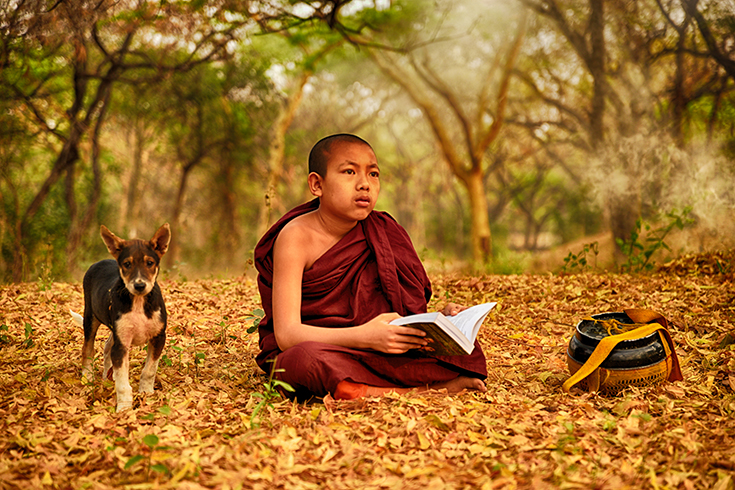
Light makes or breaks a religious image. Early morning and late afternoon give soft, warm tones and calm mood. Sunrise light is especially beautiful for outdoor scenes and processions. In temples, look for shafts of light coming through windows or doors. These beams add atmosphere and highlight smoke from incense.
For ritual photography, arrive early and watch the sequence. Many ceremonies repeat similar actions. Wait for the quiet moment — a reflective face, joined hands, or a child monk reading — and then make your frame.
Camera settings & gear for religious photography
Carry a compact, quiet kit. A fast prime (50mm or 85mm f/1.8) is ideal for portraits and low light. A 24–70mm zoom covers wider scenes and details. Bring a small tripod for interior shots if the temple allows it.
Suggested settings for common situations:
Dim temple interiors: shoot RAW, aperture f/1.8–f/4, ISO 800–3200, shutter 1/30–1/125s. Use a tripod for very slow shutters.
Portraits: aperture f/1.8–f/4 for shallow depth and smooth backgrounds. Focus on the eyes.
Processions & movement: shutter 1/200–1/500s to freeze action. Use continuous AF.
Backlit scenes / incense shafts: meter for the face or use spot metering. Expose for highlights to retain color in the sky or candle flame.
Turn off noisy focus beeps and avoid flash in sacred interiors unless a guide says it is OK. Flash can disturb worship and destroy the mood of the scene.
Composition and storytelling
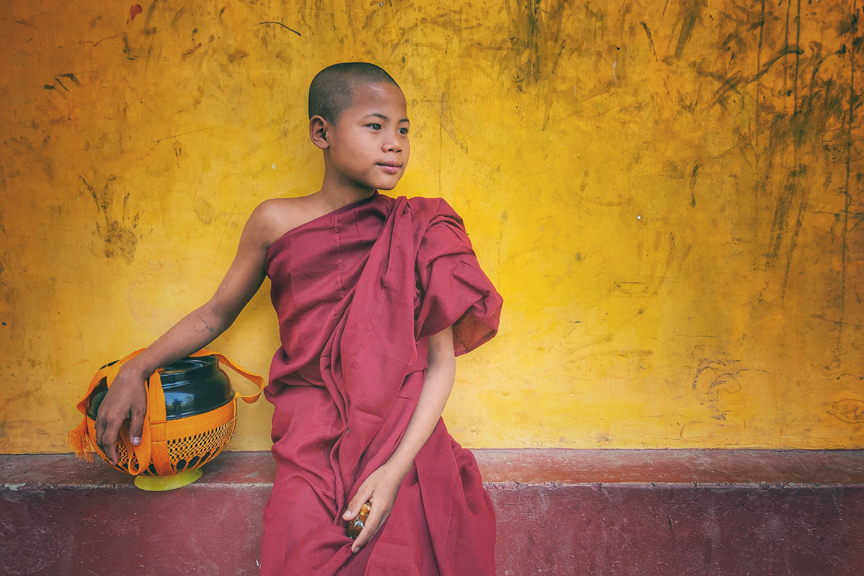
Seek small moments that tell a larger story. A monk’s hands holding an alms bowl, a child monk reading by candlelight, or lines of robes in soft light all communicate meaning.
Use these composition approaches:
Tight portraits: isolate a face with a short telephoto or fast prime. Fill the frame for impact.
Environmental portraits: place the monk inside the temple frame to show context. Use a wider lens.
Candid sequences: capture rituals in three to five frames to show the action and rhythm.
Foreground elements: include doors, columns, or offerings in the foreground to add depth.
Silhouettes: sunrise silhouettes of monks walking can feel timeless and respectful.
Always crop thoughtfully. Keep space ahead of a subject who is walking or looking to maintain visual flow.
Ethical dos and don’ts
Do:
Ask permission and explain how the photo will be used.
Offer a printed photo or show images on your camera as thanks.
Show humility and patience. Wait for moments rather than interrupting.
Use captions that explain context and credit the place or guide.
Don’t:
Don’t photograph private rites or intimate rituals without explicit consent.
Don’t use flash during quiet prayer or inside small shrines.
Don’t position yourself in front of worshippers or block their view.
Don’t stage actions that misrepresent the culture or ceremony.
These rules protect both the people you photograph and the value of the image.
Working with guides and arranging portraits
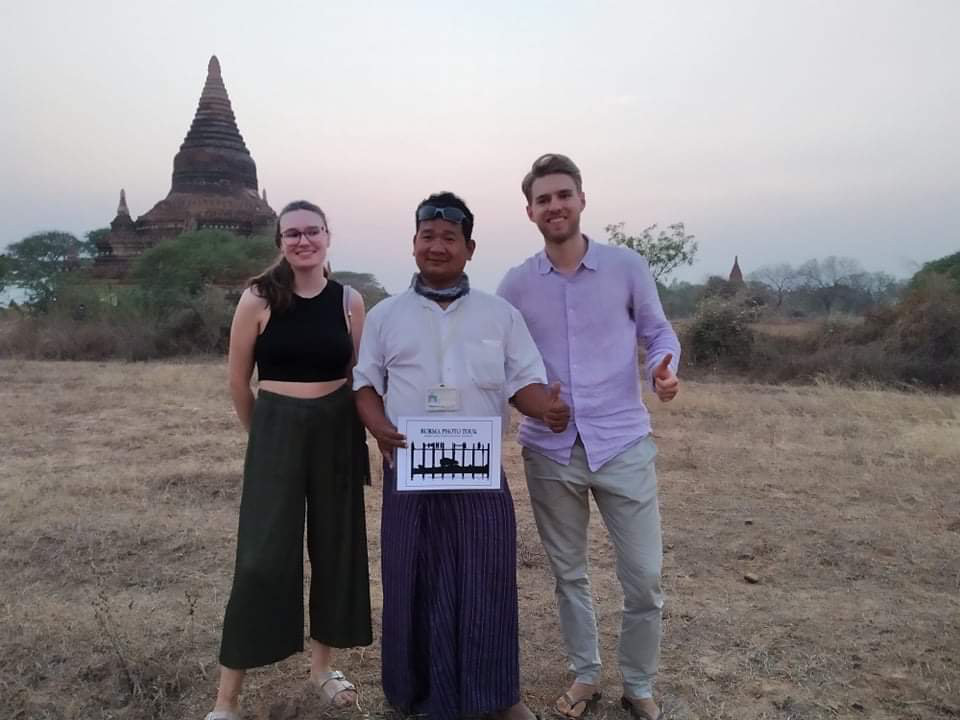
Hire a trusted local guide or photographer. Guides help you navigate cultural boundaries and find great light. They arrange introductions and can set up portrait sessions with consent. This is especially useful for village portraits and staged workshops where model releases may be needed.
For planned portraits, agree on a small token of thanks. Many locals appreciate a gift like school supplies, a small donation to the monastery, or a printed photo.
Photograph monks Myanmar with care, patience and respect to create meaningful, ethical images that honor both subject and tradition. Follow these simple religious photography tips — ask permission, use soft light, quiet techniques, and modest behavior — and your portraits and ritual shots will be stronger and more authentic. For guided access, portrait releases, and local cultural insight, book a Myanmar photo tour and work with a trusted local guide who knows temple rules and the best light.


